
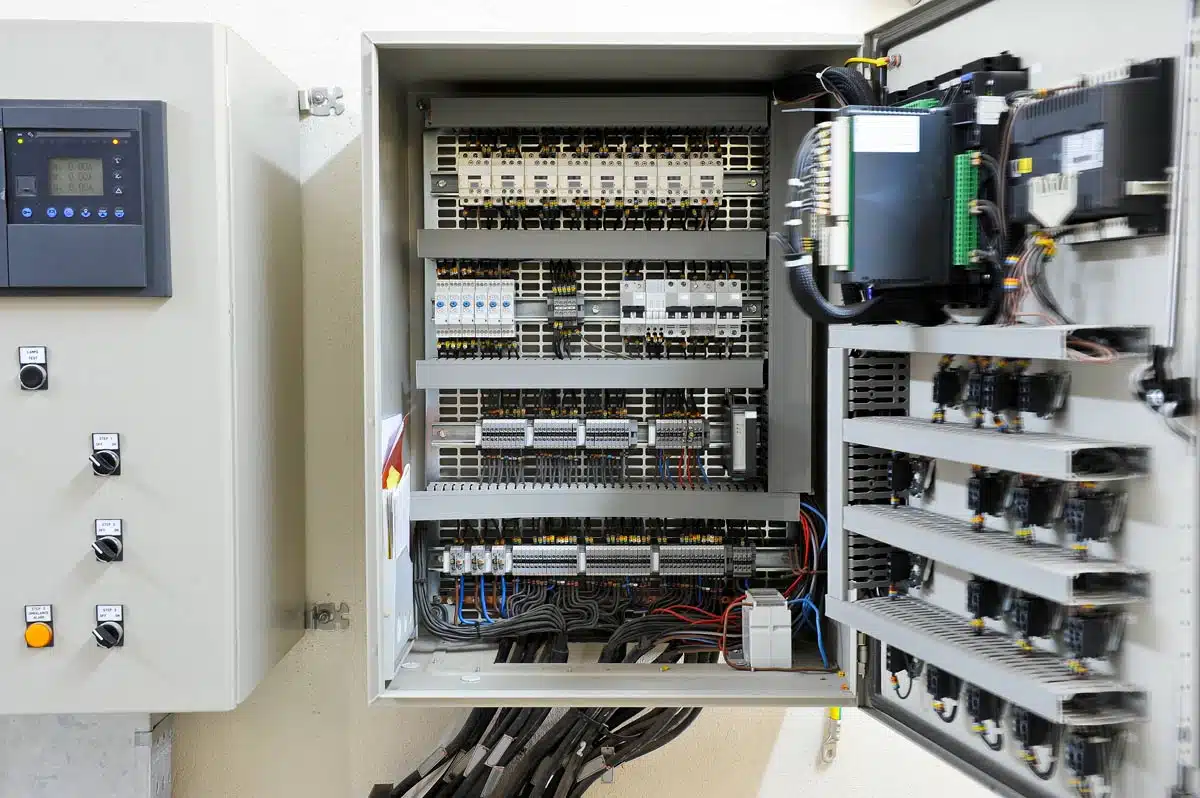
Electrical safety is one of the most important considerations in electrical engineering and construction projects. Electrical installations can expose workers and other personnel to hazards such as electric shock, electrocution, burns, fire, arc-flash incidents, and contact with overhead or underground power lines. In construction environments, these risks can change as the project progresses, making continuous hazard identification and control an essential part of project management.
For this reason, electrical safety should not be treated as a final inspection or a checklist completed before project handover. It should be considered throughout the project lifecycle, beginning with engineering and design and continuing through procurement, installation, testing, commissioning, and maintenance.
Safety Begins with Engineering and Design
Many electrical hazards can be reduced before installation work begins. During the engineering and design stage, electrical systems should be developed with consideration for equipment selection, protection systems, grounding, accessibility, installation conditions, and applicable technical requirements.
Proper design can also reduce the need for workers to interact with energized components during installation and maintenance. Electrical equipment and installations should be suitable for their intended application and maintained free from recognized hazards that could result in serious injury.
A well-developed design therefore provides more than the required electrical functionality. It establishes the technical foundation for a safer installation and helps reduce hazards during subsequent project stages.
Identifying Hazards Before Work Begins
Electrical construction sites are dynamic environments. Temporary power systems, unfinished installations, construction equipment, cables, tools, scaffolding, and other site activities can create changing electrical hazards.
Before work begins, potential sources of electrical energy should be identified, including energized circuits, overhead power lines, and underground electrical services. OSHA construction requirements specifically address the need to determine whether energized circuits are located where people, tools, or machinery could come into contact with them.
This assessment should be incorporated into project planning and communicated clearly to the personnel involved in the work.
De-Energization and Lockout/Tagout
Whenever practical, electrical circuits should be de-energized before work is performed. Simply switching off a circuit is not always sufficient; appropriate procedures should be used to prevent unexpected re-energization.
Lockout/tagout (LOTO) is an important control used to isolate electrical energy during maintenance and other work activities. Qualified personnel should also verify that the circuit is actually de-energized, including consideration of possible backfeed or induced voltage.
These procedures are particularly important when working on electrical panels, distribution systems, machinery, generators, and other equipment where unexpected energization could result in serious injury.
Safe Installation and Use of Electrical Equipment
Electrical equipment, cables, extension cords, tools, and temporary installations require regular inspection and proper use. Damaged insulation, exposed conductors, unsuitable equipment, overloaded circuits, and incorrectly used extension cords can introduce significant hazards on a construction site.
Ground-fault protection is another important safety measure. OSHA identifies lack of ground-fault protection, missing or discontinuous grounding paths, improper equipment use, and damaged or improperly used flexible cords among common causes associated with electrical injuries in construction.
Equipment should therefore be selected for its intended application, installed correctly, inspected, and used according to applicable requirements and manufacturer instructions.
Working Near Overhead and Underground Power Lines
Contact with power lines is a particularly serious hazard during construction and electrical projects. Cranes, lifts, ladders, scaffolding, vehicles, and other equipment can unintentionally approach or contact overhead electrical conductors.
Underground electrical services also present a significant risk when excavation or other ground-disturbing activities are performed. Before work begins, the location of electrical services should be established as accurately as possible and appropriate precautions should be implemented.
OSHA identifies contact with overhead and buried power lines as a major source of electrical danger in construction environments.
Personal Protective Equipment and Qualified Personnel
Personal protective equipment (PPE) is an important component of electrical safety, but it should form part of a broader safety system rather than serve as the only line of protection.
Electrical work should be assigned to personnel who have the appropriate training, knowledge, and skills for the work being performed. OSHA’s construction safety guidance emphasizes that electrical work involving energized parts should be assigned to qualified employees.
Depending on the task and associated hazards, appropriate protective equipment and tools may include insulated gloves, protective clothing, eye and face protection, insulated tools, and other task-specific equipment.
Testing and Commissioning
Safety does not end when installation is complete. Testing and commissioning provide an important opportunity to verify that the installed system operates as intended and that protection and control systems function correctly.
Inspection and testing should be carried out according to the project’s technical requirements, applicable standards, equipment specifications, and approved procedures. Any identified deficiencies should be addressed before the system is placed into service.
A structured commissioning process helps ensure that the transition from construction to operational use is performed in a controlled manner.
Building a Safety-Oriented Project Culture
Electrical safety ultimately depends on more than equipment and technical procedures. Communication, training, supervision, hazard reporting, and consistent adherence to safe work practices are also essential.
Electrical contractors may encounter hazards beyond electric shock and electrocution, including falls, slips, vehicle-related incidents, and musculoskeletal injuries. A project safety program therefore needs to consider the broader working environment rather than focusing exclusively on electrical energy.
Conclusion
Electrical safety should be integrated into every stage of an electrical project—from engineering and design to procurement, installation, testing, commissioning, and maintenance.
At Ertebat Gostar Batis, safety can be presented as an integral part of responsible electrical engineering and project execution. Careful planning, appropriate equipment selection, qualified personnel, controlled installation practices, systematic testing, and attention to site-specific hazards all contribute to creating electrical systems that are not only functional and reliable, but also safer to install and operate.
Safe electrical projects begin long before the first cable is installed. They begin with good engineering and careful planning.
Leave a Reply